Short answer
Most roll-off rentals come with a standard period of about seven to ten days, though it varies by hauler. You can usually extend by calling before it ends, at a daily rate, and construction sites keep containers for weeks or months using swaps or monthly pricing. Street placement may be limited by the city's permit.
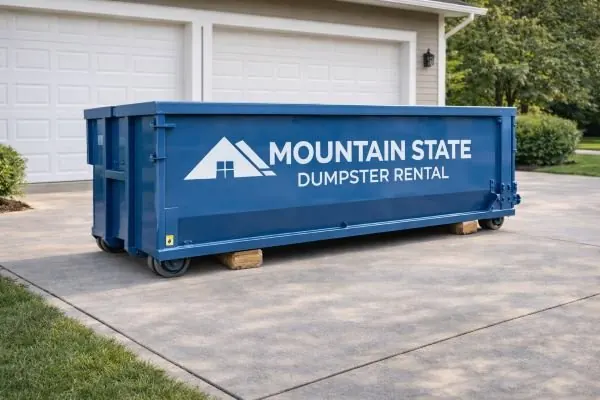
The standard rental period
Most roll-off rentals include a set number of days in the base price. Along the Front Range that is commonly about seven to ten days, though it varies by hauler and container size; some quote a week, some ten days, a few offer shorter periods on small containers. Whatever the number, it should be written in your quote, along with the daily rate that applies after it. To find out what a local hauler offers for your dates, call (720) 780-0365.
How long typical projects take
| Project | Typical time with the container |
|---|---|
| Garage or basement cleanout | A weekend to a few days |
| Single-layer reroof | A few days, often less |
| Bathroom remodel tear-out | A few days for demolition |
| Kitchen remodel | About a week of demolition and disposal |
| Whole-house cleanout or estate | One to two weeks |
| Addition or major remodel | Several weeks, usually with swaps |
| New build | Months, on swaps or monthly terms |
Demolition generates most of the debris early in a remodel, so many homeowners keep the container only for the tear-out week and rent again later for finishing scraps.
Extending a rental
If the work runs long, call before the period ends. Extensions are normally charged per day. Fixr cost data (2025, checked Oct 2026) puts typical extra-day charges at about $5 to $10 per day after the first week. That is a typical market range, not this site's rate; your provider will quote its own. Ask whether the extension also changes the weight allowance; usually it does not.
If the container is full but the job is not finished, an extension does not help. You need a swap.
Swaps for long projects
A swap replaces a full container with an empty one in the same spot. It is the standard approach on construction sites and long remodels, where one container would fill several times. Each swap is usually priced like a new haul, including its own weight allowance. Ask how much notice the hauler needs, because a crew waiting on an empty box is expensive.
Monthly and long-term rentals
Builds that run for months are often priced on a monthly basis or a combination of rent and haul fees. Fixr cost data (2025, checked Oct 2026) puts typical monthly rentals at about $500 to $1,000. That is a national market range, not a rate from this site. For a long-term build, ask the hauler to compare monthly pricing with per-haul pricing, based on how often you expect to fill the container.
What limits how long it can stay
Street permits
If the container is on a street, sidewalk or alley, the city's right-of-way permit usually has a start and end date, and some cities limit how long a container can occupy public space. Renewing may mean another application and another fee. Check the rules with your city before delivery, and plan the rental around the permit dates.
HOA rules
Many Colorado HOAs limit how long a temporary container can sit in a driveway. If yours does, schedule delivery for when the heavy work actually starts and pickup as soon as it ends.
Weather and seasons
Snow and ice can delay both your loading and the hauler's pickup. In winter, allow a buffer at the end of the rental for a storm day, and keep the area around the container shoveled so the truck can reach it.
Avoiding paying for unused days
- Book delivery for the right day. Not three days before the crew arrives.
- Prepare before the container comes. Sort, empty rooms and stage debris so loading starts immediately.
- Call for pickup as soon as you are done. Finishing early rarely lowers the price, but it frees the driveway and avoids accidental overruns.
- Know the end date. Put it in your calendar with a reminder a day or two before.
Planning the rental around the work
The cheapest rental is one that matches the messy part of the job. On a remodel, that is demolition: walls, cabinets and floors come out in the first few days, and the rest of the project produces far less waste. On a cleanout, it is the days when helpers are available. On a reroof, it is the tear-off itself, which a crew can often finish in a day or two.
Work backward from those days. If your roofer starts Monday, ask for delivery on Friday or Monday morning. If your family is coming to help clear a house over a weekend, have the container land on Thursday. If the contractor's schedule slips, call the provider early to move delivery rather than paying for days the container sits empty.
A note on winter rentals
Winter rentals are common along the Front Range, especially for interior remodels. Short days and snow can slow loading, so build an extra day or two into the rental, and confirm with the provider how it handles pickups when roads are icy.
When a longer base period makes sense
If you know the job will take two weeks, ask for a quote that includes two weeks rather than one week plus extensions. Comparing those two prices takes a minute and can save money. For more on how quotes are built, see the Colorado pricing page, and for project sizing see what size dumpster do I need.