Dumpster rental in Denver, in one paragraph
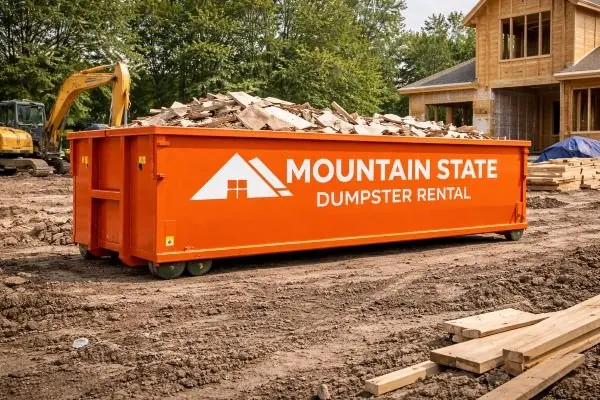
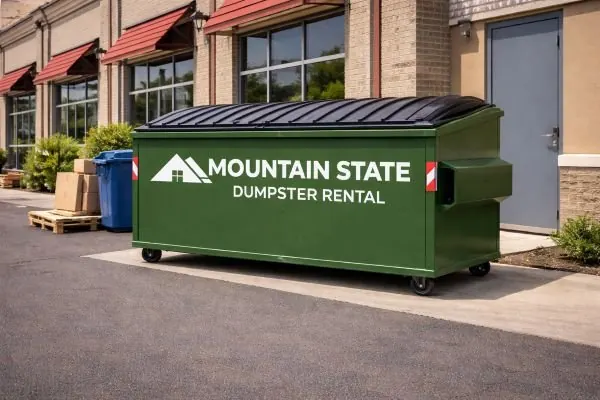
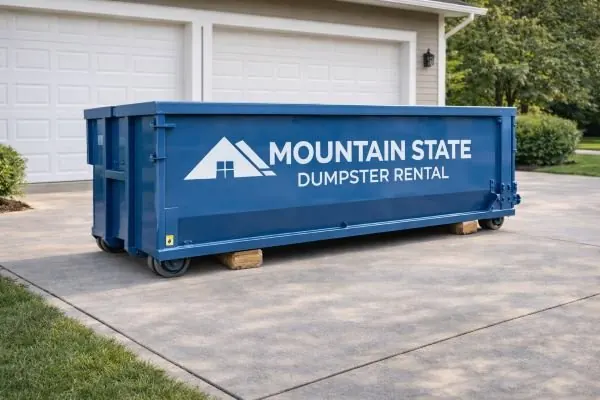
Mountain State Dumpster Rental is a phone-based referral service for roll-off dumpster rental in Denver and the rest of Colorado's Front Range. You call (720) 780-0365, describe the job, and we line up an independent local hauler that delivers an open-top container in the size you need (10, 15, 20, 30 or 40 cubic yards), leaves it for an agreed rental period, then hauls it to a licensed disposal or recycling facility. We cover the Denver metro from Brighton and Thornton down to Castle Rock, the north end of the Front Range through Boulder, Longmont, Loveland, Fort Collins and Greeley, and Colorado Springs to the south.
Why this site starts with size
Most of the cost and most of the hassle in a dumpster rental comes from choosing the wrong container. Too small and you pay for a second haul. Too big and you pay for air, plus a box that may not fit beside your car. Size also controls weight: every quote includes a tonnage allowance, and going over it is billed per ton. That is why the size picker sits at the very top of this page and every size has its own page with typical dimensions, how many pickup loads it holds, what weight is usually included and which projects it suits.
A quick rule of thumb for Colorado homes:
- 10 yard: heavy material (concrete, brick, dirt, tile) or a small bathroom tear-out.
- 15 yard: a kitchen, a basement purge or a single-car garage.
- 20 yard: the workhorse for reroofs, flooring and whole-room remodels.
- 30 yard: additions, major cleanouts and framing waste on a build.
- 40 yard: bulky, light debris on commercial or whole-house jobs.
What Colorado adds to the job
The Front Range has its own habits. Hail season keeps roofing containers busy from late spring through summer, and a single storm can tie up haulers across a whole county. Spring snow can arrive after a warm week, so plan where the container sits if a plow or a shovel needs to get past it. Many older Denver and Aurora neighborhoods have alleys that look like a natural spot for a bin, but an alley is usually public right-of-way, so treat it like the street and ask the city before using it.
Disposal rules matter too. Colorado bans many electronics from landfills, leftover paint has its own drop-off program, and appliances with refrigerant need the refrigerant recovered first. The prohibited items guide lists what haulers refuse and where those things go instead.
What happens after you call
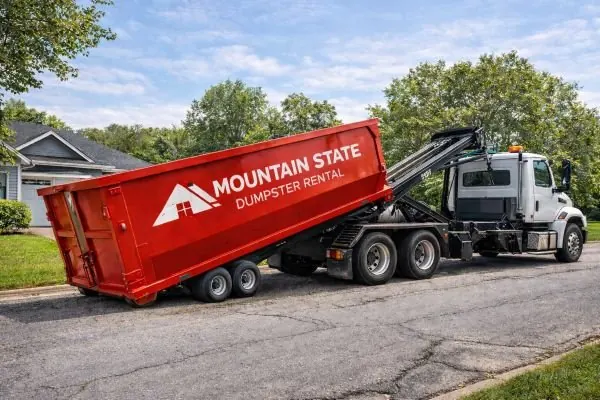
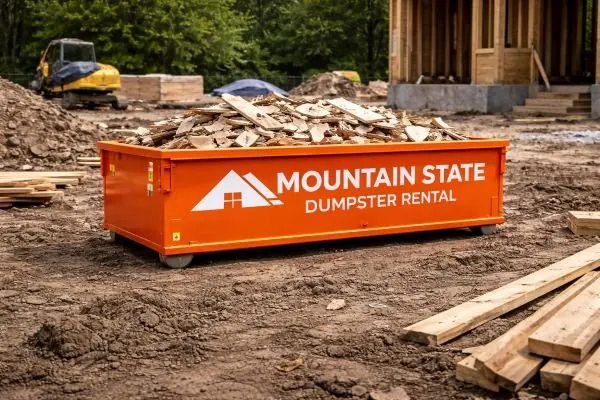
The provider confirms the address, the placement spot and the drop-off window, then delivers with a roll-off truck that needs a clear, straight path to back in. You load it over the coming days, keeping debris below the top rim. When you are done, or the rental period ends, call for pickup. The hauler weighs the load at the scale, and your final bill reflects the agreed price plus any overage, extra days or surcharges that were explained up front. Prices vary by city, landfill and season, so the Colorado pricing page shows typical market ranges with their source, and the call gets you the real number.