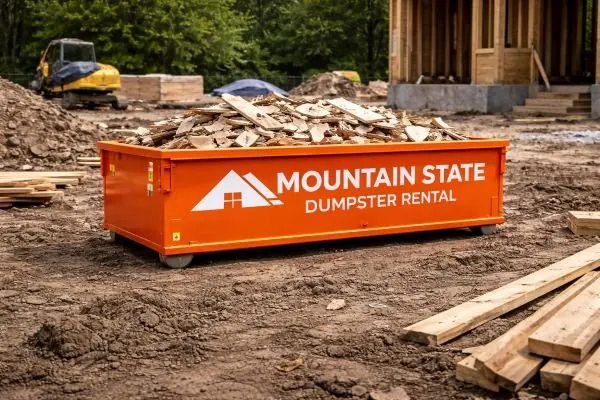
The 40 yard dumpster, in plain terms
A 40 yard dumpster is the largest standard roll-off: 40 cubic yards, about sixteen pickup loads, in a container usually about 22 feet long, 7.5 to 8 feet wide and 8 feet high. It is meant for large volumes of light, bulky debris, not heavy material. Most rentals are commercial and construction jobs with room for a long container and a roll-off truck. Call (720) 780-0365 and we connect you with an independent hauler working your part of the Front Range.
Jobs that call for a 40
- Commercial interior demolition. Partition walls, ceiling tiles, carpet and fixtures from an office or retail space.
- Warehouse and storage clear-outs. Racking, pallets, packaging and old inventory.
- Large new builds. Framing scrap, sheathing offcuts, packaging and insulation on a big house or a multifamily project.
- Whole-property cleanouts. A large home plus outbuildings, or a rental property after a long tenancy.
- Event and facility resets. Old furniture, displays and fixtures replaced in one go.
The weight trap
The 40 is the size most likely to cause a weight surprise, because there is so much room for dense material to hide. Included tonnage is commonly about 4 to 5 tons, and a few feet of plaster, wet carpet or tile in the bottom can use most of it. Fixr cost data (2025, checked Oct 2026) shows overage charges typically running $40 to $100 per ton. Keep anything heavy in a separate 10-yard, and keep the load dry under a tarp.
Typical market price
Nationally, Fixr cost data (2025, checked Oct 2026) puts a one-week 40-yard rental at about $350 to $900. That is a typical market range and not this site's rate. Larger metros and higher landfill fees push toward the upper end, and Colorado quotes also reflect haul distance and the tons included. Call for an exact quote, or see the Colorado pricing page for every size.
Site planning for the biggest box
Plan for the container plus the truck: the driver needs a long, straight approach to slide a 40 off the rails, and enough vertical clearance for the bed to tilt. Keep it off fresh asphalt and away from storm drains. On a commercial lot, mark the spot so it does not block fire lanes, loading docks or accessible parking, and check with the property manager or the city before it goes in a public lot or on the street.
Is a 40 really the right size?
If space is tight or the debris is mixed with heavy material, two smaller containers are often easier. A 30-yard has the same footprint with lower walls, and a 20-yard is easier to load by hand. Businesses with continuing trash should look at commercial dumpster rental and front-load service instead.