
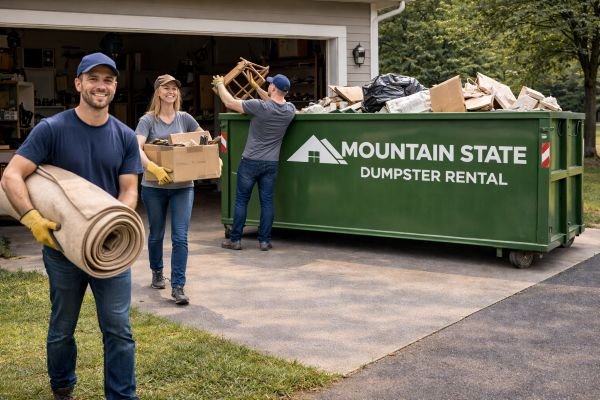
What Can’t Go in a Dumpster? Prohibited Items You Need to Know
Renting a dumpster makes cleanup easy—but only if you know what can’t go in a dumpster. Every dumpster rental comes with restrictions on certain materials due to safety, environmental regulations, and landfill rules. Disposing of prohibited items incorrectly can lead to extra fees, delayed pickup, or rejected loads.
This guide explains which items are not allowed in dumpsters, why they’re restricted, and what to do instead.
Why Some Items Are Prohibited in Dumpsters
Dumpsters are designed for general waste, construction debris, and approved materials. Certain items are restricted because they may be:
- Hazardous to people or the environment
- Illegal to dispose of in landfills
- Flammable, toxic, or corrosive
- Difficult or expensive to process
Following material guidelines protects workers, prevents environmental harm, and keeps your project compliant with local regulations.
Common Prohibited Dumpster Items
While accepted materials vary slightly by location, the following items are commonly prohibited in dumpster rentals across the Colorado.
Hazardous Materials
Hazardous waste poses serious safety risks and requires special handling.
Do not place these in a dumpster:
- Paints, stains, and solvents
- Motor oil, fuel, or antifreeze
- Pesticides and chemicals
- Cleaning agents with toxic labels
These items must be disposed of through approved hazardous waste programs.
Batteries & Electronics
Batteries and electronic waste contain harmful components that can contaminate soil and water.
Common prohibited items include:
- Car and lithium batteries
- Televisions and monitors
- Computers and printers
- Cables and electronic accessories
Many cities offer recycling programs specifically for electronics and batteries.
Tires
Tires are banned from most landfills because they trap air and create disposal hazards.
Tire disposal typically requires:
- Tire recycling facilities
- Automotive service centers
- Special tire disposal programs
Never place tires in a dumpster unless explicitly approved.
Appliances With Refrigerants
Appliances containing refrigerants require special handling.
Examples include:
- Refrigerators and freezers
- Air conditioners
- Dehumidifiers
These items often need refrigerant removal certification before disposal.
Medical & Biohazard Waste
Medical waste presents serious health risks and must never be placed in a dumpster.
Prohibited medical items include:
- Needles and sharps
- Medical supplies
- Pharmaceuticals
- Biohazard materials
Medical waste must be disposed of through licensed medical waste services.
Asbestos & Contaminated Materials
Asbestos-containing materials require specialized disposal due to health risks.
Examples include:
- Asbestos insulation
- Certain tiles and roofing materials
- Contaminated demolition debris
Always test materials and follow local regulations before disposal.
Items That May Be Restricted or Require Approval
Some items may be allowed only with prior approval or additional fees, such as:
- Mattresses and box springs
- Large appliances
- Certain construction materials
- Mixed debris loads
Always ask your dumpster provider if you’re unsure.
What Happens If You Put Prohibited Items in a Dumpster?
Placing prohibited items in a dumpster can result in:
- Additional disposal fees
- Refused pickup
- Required removal of restricted materials
- Project delays
These issues are avoidable by reviewing material guidelines before loading.
How to Dispose of Prohibited Items Properly
If you have prohibited items, consider these alternatives:
- Local hazardous waste collection events
- Recycling centers
- Municipal transfer stations
- Specialty disposal services
Many Colorado cities offer free or low-cost disposal programs for restricted materials.
Tips to Avoid Dumpster Rental Issues
- Ask for a list of accepted and prohibited items before delivery
- Separate questionable materials
- Don’t assume all waste is allowed
- Communicate with your provider if unsure
Clear communication prevents delays and unexpected costs.
Get Help With Dumpster Rental Guidelines
Knowing what can and can’t go in a dumpster helps your project run smoothly. A knowledgeable dumpster rental provider will explain restrictions clearly and help you plan proper disposal.
📞 Call now to confirm accepted and prohibited dumpster items
📝 Request a free quote and rental guidance
🚛 Reliable dumpster rental service across the Colorado