
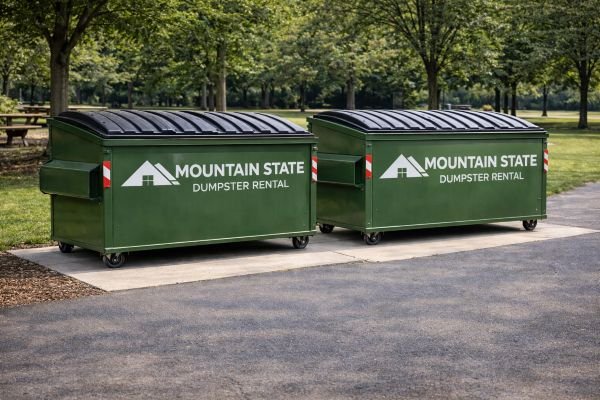
Dumpster Rental Pricing in the Pacific Northwest: What to Expect
Understanding dumpster rental pricing in the Pacific Northwest can feel confusing if you’ve never rented a dumpster before. Prices can vary depending on location, project type, and the kind of debris you’re disposing of. This guide breaks down exactly what affects dumpster rental costs across Washington, Oregon, and Idaho, so you can plan your project with confidence and avoid surprises.
Whether you’re a homeowner tackling a cleanup or a contractor managing a job site, knowing how pricing works helps you choose the right dumpster at the right value.
Average Dumpster Rental Pricing in the Pacific Northwest
Dumpster rental pricing in the Pacific Northwest typically depends on regional disposal fees, transportation distance, and local regulations. Urban areas like Seattle, Portland, and Tacoma may have slightly higher rates compared to smaller cities or rural areas due to landfill costs and traffic considerations.
Rather than one flat price, most dumpster rentals are priced as a package that includes:
- Dumpster delivery
- A set rental period
- Pickup and hauling
- Disposal up to a weight limit
This bundled approach makes pricing predictable when you understand what’s included.
Key Factors That Affect Dumpster Rental Cost
Several variables influence how much you’ll pay for a dumpster rental in the Pacific Northwest.
Dumpster Size
Larger dumpsters cost more because they hold more debris and carry higher disposal limits. Choosing the right size is critical—renting too small can lead to overage fees, while renting too large may mean paying for unused space.
Rental Duration
Most rentals include a standard rental period (often 7–14 days). Longer rentals or extensions may add to the total cost, especially for long-term construction projects.
Type of Debris
Not all waste costs the same to dispose of. Heavier materials like concrete, roofing shingles, or construction debris often have higher disposal fees than household junk or yard waste.
Weight Limits
Every dumpster includes a weight allowance. Exceeding that limit can result in additional charges. This is especially important for dense materials common in construction and roofing projects.
Location & Accessibility
Delivery distance, traffic conditions, and placement requirements can impact pricing. Jobs in dense city areas may involve additional logistics compared to suburban locations.
Residential vs Commercial Pricing Differences
Residential dumpster rentals are often smaller and shorter-term, making them more affordable for homeowners. Commercial and construction rentals typically involve larger dumpsters, heavier debris, and longer rental periods, which can increase overall cost.
That said, transparent pricing and proper planning can keep commercial projects within budget.
How to Avoid Extra Dumpster Rental Fees
One of the best ways to control dumpster rental costs is to plan ahead.
Tips to avoid extra charges:
- Choose the right dumpster size
- Stay within weight limits
- Follow accepted and prohibited material guidelines
- Schedule pickup promptly when your project is complete
- Communicate early if you need an extension
Working with a local Pacific Northwest dumpster provider helps ensure you get accurate guidance before you book.
Why Transparent Pricing Matters
Hidden fees are one of the biggest frustrations customers face when renting dumpsters. A reputable dumpster rental company will explain pricing clearly upfront, including potential overage charges, rental extensions, and material restrictions.
Transparent pricing allows you to compare options accurately and choose the best value—not just the lowest advertised rate.
Get an Accurate Dumpster Rental Quote
Because every project is different, the most accurate way to understand pricing is to request a personalized quote. A good provider will ask about your project type, debris, timeline, and location before giving a final number.
📞 Call now for a free dumpster rental quote in the Pacific Northwest
📝 Get upfront pricing with no hidden fees
🚛 Fast delivery across Washington, Oregon, and Idaho