
Construction Waste Disposal Guide: How to Manage Debris the Right Way
Construction projects generate large volumes of waste, and handling it properly is critical for safety, compliance, and efficiency. This Construction Waste Disposal Guide explains how contractors, builders, and property owners can manage construction debris responsibly while keeping projects on schedule and within budget.
From small renovations to large-scale builds, understanding proper disposal practices helps reduce risk, avoid penalties, and streamline job site operations.
What Counts as Construction Waste?
Construction waste includes a wide range of materials generated during building, remodeling, demolition, and repair projects. Common construction waste materials include:
- Wood and lumber
- Drywall and sheetrock
- Concrete, brick, and masonry
- Roofing shingles and underlayment
- Metal scraps
- Insulation
- Packaging materials
Knowing what materials you’re dealing with is the first step in choosing the right disposal method.
Why Proper Construction Waste Disposal Matters
Improper waste disposal can lead to safety hazards, project delays, and regulatory issues. Managing construction waste correctly helps:
- Maintain a safer, cleaner job site
- Improve worker efficiency
- Reduce environmental impact
- Avoid fines or violations
- Control disposal costs
Proper planning ensures waste is handled responsibly from start to finish.
Using Dumpsters for Construction Waste
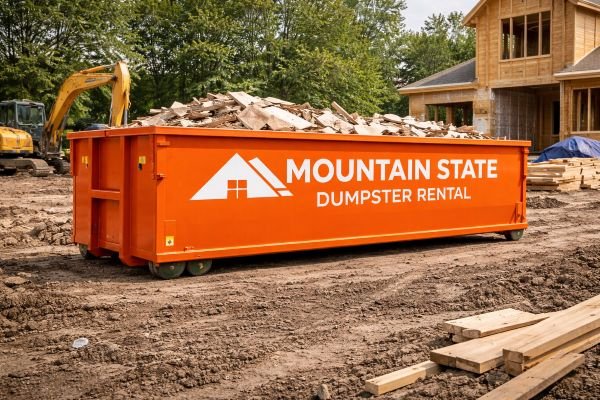
Dumpster rentals are one of the most efficient ways to manage construction waste. Roll-off dumpsters provide centralized disposal that keeps debris contained and accessible throughout the project.
Benefits of using dumpsters for construction waste include:
- Reduced job site clutter
- Fewer trips to disposal facilities
- Controlled waste accumulation
- Improved site safety
Selecting the correct dumpster size is essential, especially when dealing with heavy or bulky materials.
Choosing the Right Dumpster for Construction Debris
Construction waste varies in density and volume. Choosing the wrong dumpster can lead to overage fees or multiple hauls.
Key considerations include:
- Type of debris (light vs. heavy materials)
- Estimated volume of waste
- Weight limits
- Space available on the job site
- Project duration
Heavier materials like concrete or roofing debris often require specialized dumpsters with strict weight limits.
Recycling vs Disposal
Whenever possible, recycling construction materials reduces landfill use and supports sustainability goals. Common recyclable materials include:
- Metal
- Clean wood
- Concrete and asphalt
- Cardboard
Many disposal facilities across the Pacific Northwest support recycling programs. Separating recyclable materials on-site can lower disposal costs and environmental impact.
Understanding Disposal Regulations
Construction waste disposal must comply with local and state regulations. Certain materials may require special handling or disposal methods.
Examples include:
- Hazardous materials
- Asbestos-containing materials
- Treated wood
- Chemicals or solvents
Failure to follow regulations can result in fines or project delays. Always verify accepted materials before loading a dumpster.
Best Practices for Construction Waste Management
To manage construction waste efficiently:
- Plan disposal before the project begins
- Use appropriately sized dumpsters
- Separate recyclable materials when possible
- Keep prohibited materials out of dumpsters
- Schedule timely pickups to avoid overflow
Clear communication with your dumpster rental provider helps prevent issues.
Common Construction Waste Disposal Mistakes
Avoid these common mistakes:
- Underestimating debris volume
- Mixing prohibited materials
- Overloading dumpsters
- Ignoring weight limits
- Delaying pickup requests
These issues can increase costs and slow down projects.
Partner With a Reliable Dumpster Rental Provider
The right dumpster rental partner can make construction waste disposal simple and stress-free. Experienced providers understand local regulations, material restrictions, and job site logistics.
By working with professionals, contractors can focus on building while waste is handled efficiently and responsibly.
Get Help With Construction Waste Disposal
Managing construction waste doesn’t have to be complicated. With the right planning and support, you can keep your job site clean, compliant, and productive.
📞 Call now for expert construction waste disposal support
📝 Request a free dumpster rental quote
🚛 Reliable delivery across the Pacific Northwest